Designing the Ideal Custom Produce Boxes: A Progressive Guide
Developing custom produce boxes needs a deliberate strategy. Specialists must assess environmental impact, functionality, and aesthetics. Picking the suitable materials is essential for maintaining quality and supporting environmentally conscious practices. Moreover, size and configuration can greatly impact usability and transport efficiency. Compelling visual elements strengthen brand recognition, while thorough assessment guarantees durability. Grasping these components will reveal vital knowledge into producing standout container solutions that appeal to consumers. What follows is fundamental to accomplishing those targets.
Choosing the Right Materials for Custom Produce Boxes
When determining materials for custom produce boxes, it is vital to evaluate both practical use and environmental consideration. The selection of material substantially shapes the box's wear resistance, weight, and ability to defend the contents. Common materials comprise corrugated cardboard, which renders strength and is able to be reused, making it a favored choice for environmentally conscious businesses. Biodegradable options, such as molded pulp or plant-based plastics, also align with eco-conscious practices while providing adequate protection for delicate produce.
Furthermore, water repellency is crucial for maintaining freshness, prompting some producers to investigate treated materials or specialized coatings. The visual attractiveness of the box should not be overlooked, as packaging design and brand identity can influence consumer perception. Ultimately, the right material should strike a balance between protecting the produce, appealing to customers, and meeting sustainability requirements, guaranteeing that practicality and eco-consciousness are emphasized in the development phase.
How to Determine Size and Shape for Functionality?
When selecting the size and shape of custom produce boxes, careful assessment of produce dimensions is essential for effective storage. Additionally, considerations for handling and transport can impact the box design, guaranteeing ease of movement. Optimizing shelf space usage further enhances functionality, allowing for effective presentation and organization.
Examine Produce Dimensions Carefully
Determining the proper proportions for vegetable containers is vital for smooth operations and productivity. Thorough assessment of produce dimensions is necessary, as it confirms that items fit firmly without unnecessary space that might create damage during warehousing and delivery. Specialized boxes need to support various configurations, from soft berries to large vegetables, while maintaining durability. Additionally, the length and depth of the boxes should support efficient stacking and inventory control, optimizing space in distribution centers. A expertly crafted container not only protects the produce but also boosts consumer appeal for end customers. Ultimately, deliberate consideration of dimensions supports waste prevention and enriching supply chain experience in the product distribution.
Think About the Procedures of Handling and Transport
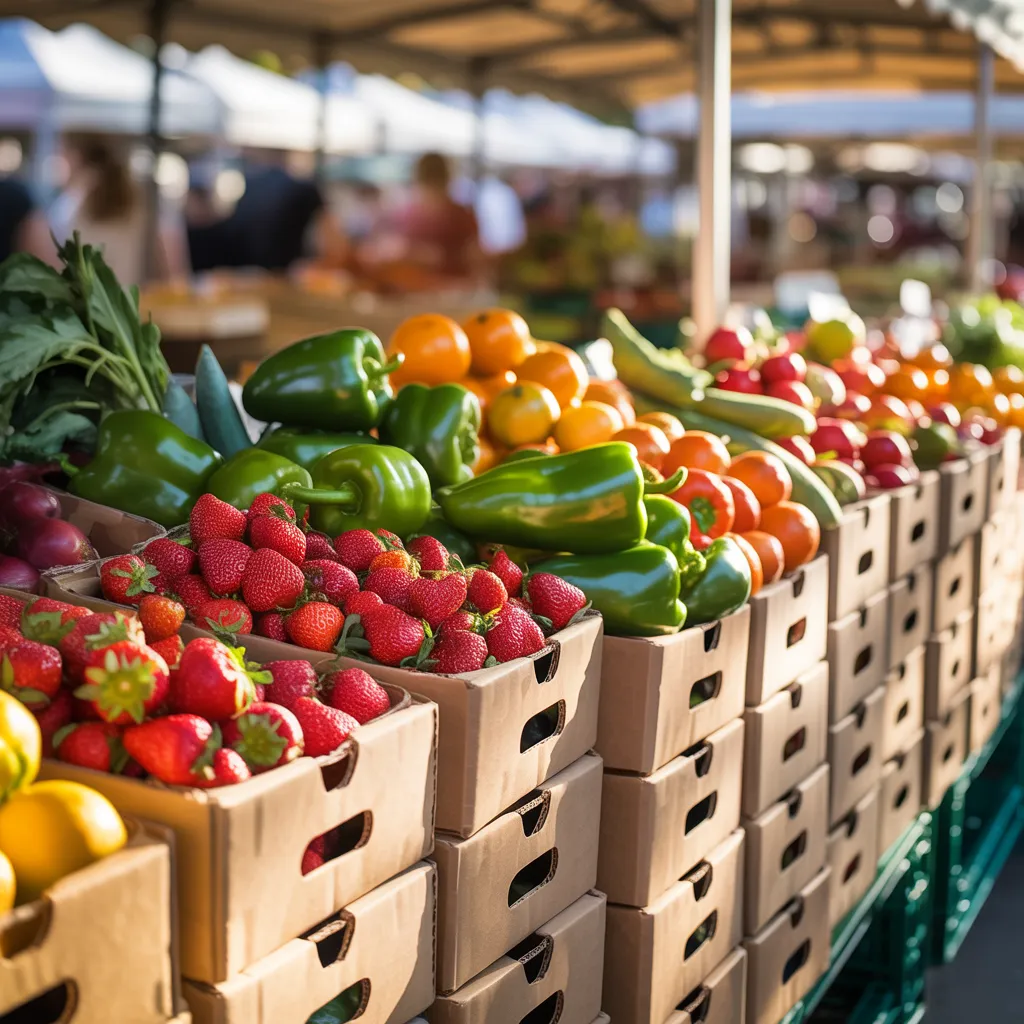
Handling and transport factors play a significant function in determining the suitable size and shape of tailored produce packaging. The dimensions should accommodate the items without surplus room, this could lead to shifting and damage throughout transit. Smaller, compact boxes provide easier handling, whereas larger boxes may be necessary when handling bulkier items. Moreover, ergonomic design proves essential; grip areas and access ports must be strategically situated to provide comfortable lifting and carrying. The shape of the box also influences stacking and balance, confirming that items keep protected. Ultimately, thoughtful review pertaining to these considerations boosts the efficiency of transport, lessens goods loss, plus preserves the overall quality of the agricultural goods commencing at orchard reaching consumer.
Improve Retail Space Management
Optimizing shelf space usage is contingent upon picking the correct size and shape of custom agricultural containers. Design teams should assess the size specifications of the shelving units as well as the types of crops being arranged. Straight-edged boxes often enhance room optimization, permitting for more convenient organization and positioning. In contrast, non-standard forms can boost design appeal but may create lost capacity if see information on this not strategically planned.
It's important to examine the product rotation speed; fast-selling items might gain from smaller, conveniently positioned containers. Moreover, utilizing adaptable or modular frameworks can facilitate various dimensions of merchandise while enhancing shelf arrangement. By focusing on functionality and aesthetic value, organizations can construct a functional and attractive display that strengthens both accessibility and visibility of goods.
How to Create Graphics That Grab Interest?
Impactful designs can convert a simple custom produce box into a remarkable display that captures attention. To succeed this, designers should begin by choosing a color mix that mirrors the freshness and radiance of the produce. Vivid, visually striking colors can stir feelings of freshness and fitness, compelling consumers to take a extended glance.
Using strong typefaces is equally important; clear and legible fonts can successfully convey key details while improving aesthetic quality. Furthermore, using premium photographs of the items can create an immediate connection, showcasing the item's excellence and attracting potential buyers.
Furthermore, incorporating unique patterns or illustrations can assist in setting apart the brand in a crowded market. Steadiness in visual features, such as logos and taglines, reinforces brand identity. Ultimately, a combination of originality and lucidity in graphic design can greatly elevate the impact of custom produce boxes, making them shine on shelves.
Environmentally Responsible Practices for Custom Produce Box Packaging
An growing amount of organizations are introducing sustainable practices for custom produce box packaging, acknowledging its importance in today's environmentally conscious market. These methods often include the use of biodegradable materials, such as recycled paper and plant-based plastics, which minimize environmental impact. Companies are also directing attention on responsible procurement, confirming that materials are obtained from responsibly managed forests or suppliers who champion environmental stewardship.
Furthermore, numerous brands are opting for understated styles that minimize waste while still effectively highlighting their products. This method not only resonates with environmentally conscious consumers but also helps in reducing production costs. Moreover, businesses are increasingly applying effective manufacturing processes that minimize energy consumption and waste generation. By incorporating these sustainable practices, companies not only enhance their brand image but also contribute positively to the planet, positioning their operations with a sustainable future.
Verify Your Made-to-Order Produce Box Design
Testing the design of personalized vegetable containers is an essential step in guaranteeing they meet both aesthetic and functional requirements. This process usually involves assessing factors such as strength, dimensions, and user-friendliness. First, samples should be created to evaluate the container's structural integrity, making certain it can withstand transportation and storage without compromising the contents.
Next, usability tests can be conducted to assess how effortlessly the boxes can be unlocked, sealed, and arranged. Feedback from prospective customers can be priceless in this phase, offering insights into the box's practicality.
Furthermore, the aesthetic quality of the design should be evaluated through consumer testing panels or questionnaires, measuring consumer reactions to branding elements, colors, and overall presentation.
Ultimately, extensive testing enables designers to refine the box, guaranteeing it not only appeals to customers but also properly safeguards and presents the produce within, maintaining the right equilibrium between form and function.
Effectively Promoting Your Custom Produce Boxes
Impactful marketing of custom produce boxes demands a well-planned strategy that highlights their unique features and benefits. Businesses must focus on pinpointing their target audience, whether they are local farms, grocery stores, or individual consumers. Capitalizing on social networking sites can amplify market visibility, showcasing the boxes' design and practicality through engaging visuals and storytelling.
Furthermore, working alongside community leaders and farm operators can strengthen reputation and extend market presence. Presenting promotions or discounts during high-demand periods can bring in new customers and foster customer loyalty.
Additionally, highlighting environmental responsibility and green practices in promotional content can appeal to environmentally conscious consumers. Providing comprehensive details about material composition and the advantages of custom packaging can better distinguish the offering in a competitive market.
Ultimately, a thorough marketing strategy that combines web-based and local activities will successfully publicize custom produce boxes, appealing to a diverse clientele and driving sales.
Popular Inquiries Asked Often
What Do the Fees Linked to Custom Produce Box Development?
Expenses involved in custom produce box design include materials, printing, labor, and transport. Furthermore, creative design and order minimums can alter total expenses, causing variable pricing based on particular specifications and production volume.
What Period Is Involved to Produce Made-to-order Boxes?
Creating bespoke boxes usually spans two to six weeks in production. Multiple elements that influence this timeframe are complexity of the design, material availability, and production capability, each of which may influence delivery timelines and lead times.
Is it Feasible to Buy a Modest Volume of Tailored Produce Boxes?
Yes, small quantities of custom produce boxes can typically be purchased. Many suppliers provide base order requirements, enabling companies or people to obtain customized packaging options without needing to commit to substantial volumes initially.
What Frequent Mistakes Should You Dodge in Made-to-Order Box Design?
Common pitfalls in custom box creation feature neglecting functionality, disregarding brand consistency, downplaying material quality, overlooking target audience preferences, and neglecting environmental impact. Each aspect is critical for effective packaging and customer satisfaction.
What Actions Should I Take to Verify My Boxes Are Food-Compliant?
To guarantee boxes remain food-safe, you should choose materials certified for food contact, avoid dangerous inks and adhesives, maintain cleanliness during production, and consistently monitor for compliance with health regulations and safety standards.
Comments on “Cardboard Boxes for Fruit and Vegetables: Durable Produce Packaging Solutions for Retailers”